
Oral Clear Saliva Neutralizing Gum: Expert Review
If you’re reading this, chances are you’ve got a saliva drug test looming and you’re scrambling for a solution. You’ve probably seen “oral clear gum” or “oral clear gum detox” mentioned in forums and are wondering if it’s your ticket to passing.
So the key here is to cut straight to the facts. This article is your no-BS guide to understanding what Clear Choice Oral Clear Gum actually is—and what it isn’t. We’re going to break down the hype and give you the straight story on how it works and its realistic chances. Let’s start by defining the product itself.
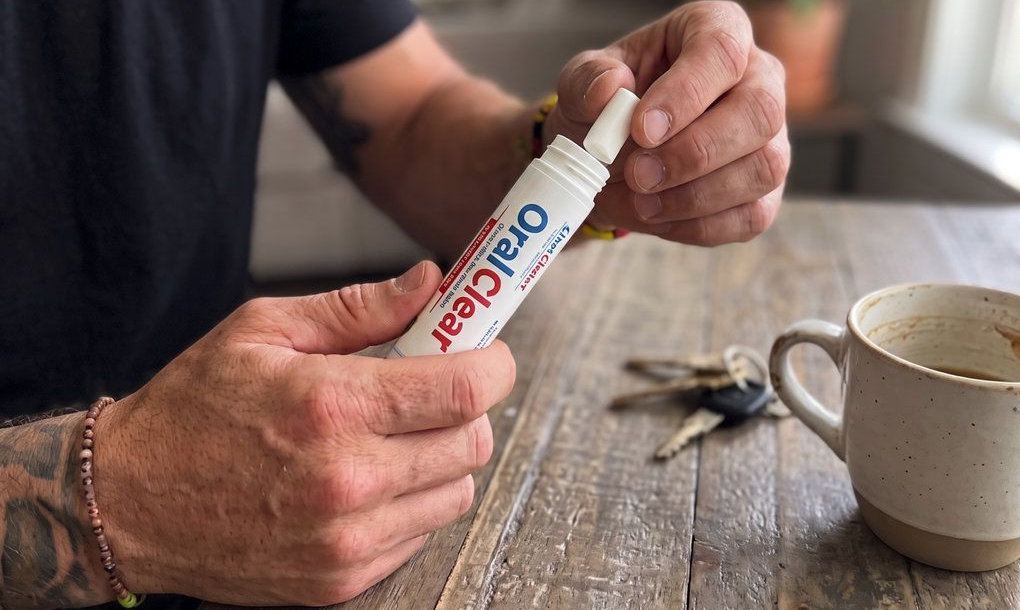
Oral clear saliva neutralizing gum is a specialized, single-use product. It’s designed to temporarily neutralize toxins in your mouth right before a swab test. Think of it not as a permanent cleanse, but as a tactical, short-term mask for your oral fluid.
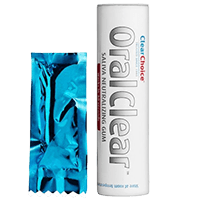
- Acts in 30 seconds
- Most effective to pass a drug test
- Lasts for 30 minutes
- Legal
The core mechanism is unique. It features a gum base with a liquid-filled capsule inside. When you bite down, that capsule releases a concentrated neutralizing liquid. The action starts within 30 seconds and gives you a window of up to 30 minutes.
However, this also means its true nature is often misunderstood. It’s frequently lumped in with detox kits, but its function is fundamentally different. That common confusion is exactly what we’ll unpack next, separating the product’s real capabilities from the first major myth most people believe.
Myth vs. Reality: What Oral Clear Gum Actually Is (and Isn’t)
Myth #1: “It’s Just Regular Gum with a Fancy Label”
Let’s get the biggest misconception out of the way first. If you’re thinking Oral Clear is just a piece of minty gum with clever marketing, you’re not alone—but you’re also not seeing the full picture. This isn’t something you’d chew for fun or to freshen your breath after a coffee. It’s a specialized, single-use tool built for one specific job: creating a short-term clean window in your mouth.
Think of it like this: regular gum is a squirt of air freshener. Oral Clear is more like a targeted odor eliminator you spray right before company arrives. The difference is in the design and the dose. It comes as a capsule—slightly bigger than a painkiller—filled with a concentrated liquid, all wrapped in a gum base. You don’t just chew it; you bite down deliberately to crack that inner capsule and release the active agents. That action is the whole point.
The Reality: A Temporary Neutralizer, Not a Detox Kit
So what does that action actually do? Its job is to coat your mouth—cheeks, gums, tongue, and teeth—with a neutralizing agent. This isn’t pulling toxins out of your bloodstream or giving you a permanent cleanse. It’s a temporary mask, a tactical screen for your oral fluid. The “clear” window it creates is short, typically about 30 minutes, with the strongest effect in the first 10.
This is a critical differentiator. Products that promise to “detox” your body for days work on a completely different system, often requiring users to understand how long it takes to get weed out of your system. Oral Clear is playing a short game in a very specific arena: your saliva. It’s formulated to target the residues that a swab is looking for, whether that’s from nicotine, prescription pills, or illicit substances like THC. But understanding what it is immediately raises the bigger question: how could a simple gum possibly alter what a lab test finds? That mechanism is where the real debate—and the real skepticism—begins.
- Acts in 30 seconds
- Most effective to pass a drug test
- Lasts for 30 minutes
- Legal
Does It Really Neutralize Saliva? The Science and the Skepticism
Let’s get straight to the point: the word “neutralize” can sound like marketing fluff, and if you’re skeptical, you should be. So how is this gum supposed to work? It’s not magic. It’s a combination of two actions—one you can feel, and one you can’t.
The Mechanical Action: A High-Intensity Rinse
Think of it like this: the gum is a delivery system for a potent liquid mouthwash. When you bite down, a capsule bursts, and you chew for 30 seconds with your lips sealed. This isn’t about minty fresh flavor; it’s about using the chewing motion to physically disperse that liquid across every surface of your mouth—your tongue, cheeks, gums, and between your teeth. The goal is to flood the oral cavity and dislodge any loose drug residue sitting on those surfaces. This part is straightforward mechanics, similar to vigorously swishing with water or mouthwash before a test.
The Chemical Claim: Targeting the Residue
Here’s where the proprietary science comes in. The liquid contains agents the company claims do more than just rinse. The formulation includes derivatives of hydrogen peroxide and an emulsifier called soy lecithin. The theory is that these compounds interact with drug metabolites—like the THC clinging to your mouth tissues—either breaking them down or binding to them so the swab can’t detect them. It’s a chemical scrub, not just a physical one.
The Critical Context: It’s All Temporary
This is the most important part to understand, and it directly addresses the core skepticism. No gum, drink, or rinse can permanently remove drug metabolites from your system. Those metabolites are in your blood and continually seep into your saliva. What products like Oral Clear are designed to do is create a temporary clean window in your mouth. Scientific studies on saliva flow show that stimulating saliva—like chewing gum does—can dilute drug concentrations in the mouth significantly, but that effect only lasts for a limited time before metabolites from your blood re-saturate your saliva.
So, the real question isn’t whether it “neutralizes” forever. It’s whether it can clear your mouth effectively for the 10-15 minutes you need to provide a sample. The science on temporary reduction is solid; the debate is whether this specific gum’s formula is strong enough to handle heavy, chronic use. That’s the gap between lab theory and your real-world test, which leads directly to the only evidence that truly matters: does it actually help people pass?
The Detox Debate: Can Oral Clear Gum Help You Pass a Saliva Drug Test?
Let’s cut right to the core of the debate. The single biggest myth surrounding Oral Clear Gum is that it’s a magic bullet—a guaranteed pass. It’s not. No product on the market can make that claim, and believing otherwise sets you up for crushing disappointment. So, what is it, really? Think of it less as a temporary risk-management tool and more as a temporary risk-management tool. Its job is to create a short, favorable window, not to cleanse your system for good.
However, this also means its effectiveness isn’t a simple yes or no. It’s a spectrum influenced by a handful of critical variables. Your outcome depends on how well you navigate these factors, not on the gum possessing some mythical, foolproof power.
The Key Factors That Shift Your Odds
So the key to understanding its potential is to look at the conditions that shape success or failure. Here’s what the evidence and user patterns point to:
- Timing is Everything: The manufacturer’s claimed “clear” window is about 30 minutes, with peak effectiveness in the first 10. If your test gets delayed or you use the gum too early, metabolites can re-saturate your saliva, and your chances plummet. User failures are frequently tied to this exact issue—unexpected wait times blowing the window.
- Precision in Application: This isn’t casual chewing. Success hinges on following a specific protocol: biting the capsule with your lips sealed to release the liquid, then chewing for 30 seconds to coat every surface in your mouth. Miss a step, and you’re leaving your outcome to chance.
- Your Body’s Chemistry: Individual saliva flow rates vary wildly (from 0.3 to 1.5 mL per minute). If you produce saliva quickly, the neutralizing agents get diluted and swallowed faster, shortening your effective window. Your unique metabolism plays a huge role here.
- The Nature of Your Use: This is a major differentiator. Reports and reviews consistently show higher success rates for light or moderate users. For a chronic, heavy smoker—especially if you use high-potency dabs or wax—persistent THC residue in oral plaque or mucosa can simply overwhelm the gum’s masking action. The objection, “I’m a heavy dab smoker, there’s no way this works for me,” is a legitimate concern grounded in this user-experience data.
- The Test Itself: Modern saliva tests are highly specific (93–100%). If a sample looks tampered with—for example, if the gum’s pH-altering ingredients drastically change the saliva’s chemistry—the lab can flag it. This is a real risk, especially for tests sent to a strict laboratory, which addresses the fear, “What if my test gets sent to a lab? I’m screwed.” It’s not a guaranteed fail, but it introduces a layer of risk that instant tests don’t have.
For example, a light user who times the gum perfectly before a discreet, unobserved collection has a solid chance. A heavy user facing a 45-minute wait in a lobby while being observed is stacking the deck against themselves. Individuals in high-stakes situations should always consider broader strategies for how to pass a drug test for weed to ensure they are covering all possible bases.
The good news is, this framework of managed risk is actually more useful than a false promise of certainty. It lets you assess your own situation honestly. If you decide the potential risk reduction is worth the cost and effort, the next logical question becomes: how do you use it correctly to maximize your odds within that short window? That’s where proper technique becomes non-negotiable.
How to Use Oral Clear Gum (Without Falling for Common Mistakes)
Okay, let’s get into the practical side of this. Knowing the product has a chance is one thing; using it correctly to give yourself that chance is another. The technique here isn’t optional—it’s the entire game.
The Correct Activation Process: A Step-by-Step Guide
Think of this like a timed protocol. You need to execute the steps in order, without shortcuts.
- Prepare Your Mouth First: Before you even open the tube, brush your teeth, floss, and use a non-alcoholic mouthwash. This isn’t a myth; it creates a cleaner surface for the neutralizing liquid to coat. You’re removing loose debris and plaque where THC can hide.
- Handle the Capsule Carefully: Pop the gum capsule out of the tube. Be gentle—don’t squeeze or bend it. The goal is to keep that inner liquid core intact until the moment of use.
- The Critical Placement: Place the entire capsule in your mouth and seal your lips tightly. This is non-negotiable. If you bite down with your mouth open, you risk losing precious liquid before it even activates.
- Bite and Distribute: Now, bite down firmly to rupture the inner core. Immediately use your tongue to swish that liquid everywhere—across your gums, the insides of your cheeks, the roof of your mouth, and especially under your tongue. Don’t just chew like it’s regular gum; the swishing is what gets the coating on all surfaces.
- Chew and Swish for 30 Seconds: Continue chewing and swishing for a full 30 seconds. Set a timer on your phone if you need to. This ensures the liquid mixes with your saliva and forms that temporary neutralizing layer.
- Spit It Out: After 30 seconds, spit the gum into a trash can. Do not swallow it. The goal is the coating left in your mouth, not the gum itself.
- Acts in 30 seconds
- Most effective to pass a drug test
- Lasts for 30 minutes
- Legal
The 30-Minute Clock: Understanding Your Window
The manufacturer states your saliva is “clear” for 30 minutes after activation. However, the peak effectiveness is within the first 10 minutes. This is your prime time. After that, as new saliva is produced and you swallow, drug concentrations from your bloodstream can start to re-equilibrate back into your mouth. The clock is always ticking.
Debunking the Most Common Usage Mistakes
These are the errors that turn a potential pass into a guaranteed fail.
- Myth: “I can eat or drink right after.” Reality: Food, coffee, or even water can wash away the neutralizing coating and stimulate fresh saliva flow, potentially cutting your 30-minute window down to 15 minutes or less. Your mouth should stay empty until the swab is done.
- Myth: “It works instantly, so I can use it in the parking lot.” Reality: For heavy, daily users, the manufacturer recommends a 48-hour abstinence period before using the gum. This doesn’t mean you need to be “clean,” but it reduces the constant flood of fresh THC from your blood into your saliva, giving the gum a better chance to manage what’s already present.
- Myth: “Swallowing the liquid helps clean me from the inside.” Reality: Swallowing does nothing for the oral swab test, which only detects what’s in your mouth. Worse, it removes the neutralizing agents you need on your oral surfaces. Spit it out.
Note: Even with perfect use, this is about maximizing your odds within a risk-management framework, not invoking a magic shield. You’re creating a temporary, localized effect in your mouth.
So, you’ve got the instructions down. But instructions are one thing—what actually happens when real people in your exact situation use it? Hearing their stories, the successes and the failures, is often the most convincing data of all.
Real User Stories: Successes, Failures, and What They Teach Us
Let’s get real. You don’t want a sales pitch. You want to know what actually happened to people who were in your exact shoes—stressed, on a deadline, and hoping this gum was the answer. So, let’s break down the community feedback and ratings to see the patterns. The truth is, the outcomes are all over the map, and that’s the most important thing to understand.
The Success Stories: What They Had in Common
When you dig through oral clear gum reviews, the positive reports often share a few key factors. These aren’t guarantees, but they’re the conditions that seem to move the needle.
- The Timing Was Tight, But They Nailed It. Success stories frequently come from users who chewed the gum within 30 minutes of their test, not hours before. They treated the 30-minute window like a countdown, not a suggestion.
- They Paused Smoking, Even Briefly. Many who reported passing had stopped using any form of weed for at least 24-48 hours prior. The gum seems to work better as a final rinse for residual traces, not a magic eraser for a blunt smoked in the parking lot.
- Oral Hygiene Was On Point. A common thread in positive feedback is a clean mouth. Users who brushed, flossed, and used mouthwash in the hours before (avoiding harsh chemicals right before the gum) reported better results. The gum’s neutralizing agents need a clean surface to work on.
- The Test Was Instant. A higher user success rate is noted with on-site, instant-result swab tests. The gum appears most effective for creating a short-term clean window in the mouth, which is exactly what these quick tests measure.
The Failure Reports: Learning From What Went Wrong
The failures are just as instructive. They often point to specific, avoidable mistakes or unrealistic expectations.
- The Clock Ran Out. This is the number one cause of failure in community feedback. Waiting room delays that pushed the test beyond the 30-minute effective window consistently led to failed results. The gum’s effect is temporary.
- Heavy, Recent Use Overpowered It. Users who reported smoking concentrates (dabs, wax) or heavily just hours before the test—despite using the gum—often failed. The product’s mechanism struggles with high, fresh levels of THC metabolites in saliva.
- They Ate or Drank After Chewing. A simple but critical error. Consuming anything after activating the gum washes away the neutralizing liquid, nullifying the entire effect.
- The Swab Went to a Lab. A significant portion of negative reviews mention their sample was sent to a laboratory for confirmation. These labs use more sensitive equipment with lower cutoff levels, which can detect traces the gum’s temporary barrier might miss.
The Criticisms: Cost, Taste, and Skepticism
Beyond pass/fail, consistent criticisms appear in ratings and forum discussions.
- The Price is a Major Hurdle. At $90-$124 for a single-use capsule, the cost is a frequent point of contention, especially for those facing random or repeat tests. It’s a high-stakes, one-shot purchase.
- The Taste is… Chemical. Don’t expect minty freshness. Multiple reports describe an unpleasant, medicinal taste after the initial chew, which some find off-putting but manageable.
- “Are These Reviews Even Real?” This is a huge point of skepticism. It’s fair to question online testimonials. The key is to look for detailed stories that mention specific conditions (time since last use, type of test) rather than just “It worked!” The patterns in both success and failure stories lend more credibility than isolated, vague claims.
The takeaway from all this community feedback? User success rates aren’t a simple yes/no statistic. They’re a map of conditions. The gum appears to be a tool for a very specific scenario: a last-minute, instant saliva test where you’ve had at least a short break from smoking and can control the timing precisely. The stories also consistently raise new questions—especially about what’s actually in the gum and whether it’s safe to put in your mouth. That’s the crucial next thing to look at.
Safety Myths: Risks, Side Effects, and Who Should Avoid Oral Clear Gum
Let’s cut to the chase on safety. If you’re thinking about putting something in your mouth to beat a test, the first fear is obvious: “Will this burn my mouth like peroxide did?” or “Could it make me fail for something else, like alcohol?” Those are smart questions. Here’s the straightforward breakdown on the real risks, side effects, and who should probably steer clear.
Known Ingredients & Potential Sensitivities
Oral Clear Gum isn’t just minty flavoring. The formula contains specific active and inactive components that create its neutralizing effect—and some carry known sensitivities.
- Aspartame: This is a critical warning. If you have Phenylketonuria (PKU), you must avoid this gum entirely due to its phenylalanine content.
- Soy Lecithin: A common ingredient, but a potential trigger if you have a soy allergy.
- Perhydrol (Hydrogen Peroxide derivative): This is the workhorse ingredient. It can cause burning, numbness, or general irritation, especially if you have a sensitive mouth or any small cuts inside.
- Butylated Hydroxytoluene (BHT) & Citric Acid: These are preservatives and pH adjusters. While generally recognized as safe, they can increase irritation risk for some users.
Common Side Effects and Adverse Reactions
Most user reports focus on effectiveness, but side effects do come up. The most common are localized.
- Oral Irritation: A burning or numb sensation in the mouth is the most frequently cited issue. If this happens, it’s a clear signal to stop using it.
- Gastrointestinal Discomfort: Some users report mild gas or an upset stomach, which could be linked to the sweeteners or sugar alcohols in the gum base.
- The Overuse Rule: The manufacturer explicitly discourages using the gum more than twice a month. Increased frequency directly correlates with a higher chance of irritation and discomfort. This isn’t a daily habit; it’s a once-in-a-while tool.
Note: There are no documented cases of the gum’s ingredients causing a false positive for alcohol or other drugs. The fear that it could make you fail for something you didn’t take isn’t supported by the available data or widespread user reports. The risk is irritation, not a new positive result.
Contraindications: Who Should Avoid Use
This product isn’t for everyone. You should avoid Oral Clear Gum if you have:
- Active Oral Conditions: Canker sores, gingivitis, gum disease, ulcers, or bleeding gums. Applying a perhydrol-based product to compromised tissue is a recipe for significant pain.
- Recent Dental Work: Hold off until your dentist gives you the all-clear after any surgery or major procedure.
- Vulnerable Populations: If you are pregnant, breastfeeding, or have a chronic health condition, consult a doctor first. There is a lack of safety data for these groups.
Safety Myths vs. Facts
Let’s debunk a couple of common worries.
- Myth: “The ingredients are dangerously toxic if swallowed.”
- Fact: The gum base is generally non-toxic if accidentally ingested in small amounts. The bigger risk would be a pocket of choking hazard from swallowing a large quantity of gum, which is true of any gum.
- Myth: “It will interact with my prescription medications.”
- Fact: The gum acts topically in your mouth. There are no known pharmacokinetic interactions with systemic medications because its ingredients aren’t designed to be absorbed into your bloodstream in significant amounts.
The Bottom Line on Safety
The safety profile of Oral Clear Gum is defined by its topical action and specific ingredient list. The primary risks are localized irritation and allergic reactions to known components. It is not FDA-approved; it’s regulated as a food-grade product, and there are no peer-reviewed clinical trials on its long-term safety.
So the key takeaway is this: Your personal health context is the ultimate differentiator. If you have a healthy mouth, no relevant allergies, and use it sparingly as directed, the risk of significant harm is low. However, if you fall into any of the contraindicated groups, the potential for discomfort or complications outweighs any potential benefit.
With the safety picture clear, the next practical step for a convinced reader is to consider the cost and where to buy it without getting scammed.
Price, Value, and Where to Buy: Avoiding Scams and Overpriced Gimmicks
Let’s tackle the elephant in the room: cost. If you’re looking at detox products, you’ve probably seen prices that feel like a scam. You’re right to be skeptical. So the key question is, what’s the real price for Oral Clear Gum, and is it a rip-off?
The typical retail price for a single-use package of Oral Clear Gum ranges from $90 to $124. You’ll sometimes see it listed with an “original” price around $130, but it’s frequently discounted. That’s the reality. For a single piece of gum, that’s a significant upfront cost, especially if you’re between jobs.
However, the value proposition isn’t about the gum itself—it’s about risk management. The real cost isn’t $90; it’s the lost income from a job you don’t get, or the legal fees from a probation violation. If this product significantly reduces your risk of failing a test for a career opportunity, that one-time cost can be a strategic investment. The key differentiator is that it’s a specialized tool for a high-stakes moment, not a daily supplement.
Now, where do you buy it without getting scammed? This is critical.
Authorized Retailers & Where to Buy:
You won’t find this at Walmart, Amazon, or Walgreens. Primary availability is through online ordering from authorized resellers. Trusted channels include:
- Hunter Hydro
- Tabex
- Lux Cuttings
These vendors typically ship from warehouses in New York or Nevada. Domestic orders usually ship in plain, unmarked packaging for privacy, via FedEx or USPS. Note that shipping doesn’t occur on weekends or holidays, so plan accordingly. International shipping is available but isn’t guaranteed, and customs documents may compromise total anonymity.
Avoiding Scams & Counterfeits:
The market is full of fakes. Here’s how to spot them:
- Avoid “deep discounts”: If a price seems too good to be true ($30-50), it’s almost certainly counterfeit.
- Check the packaging: Authentic products have strong seals and include a PDF of instructions. Weak or mismatched packaging is a major red flag.
- Verify the expiration date: It should be printed clearly on the package. A genuine product has a guaranteed shelf life of at least 6 months at room temperature.
A final note on value: sales are final. Exchanges are only offered for unopened items within 30 days, and there are no money-back guarantees due to legal liability. So, you’re leveraging this purchase on its reported effectiveness.
For some, this price point is a hard pass, and that’s a fair calculation. It leads many to explore cheaper, DIY alternatives—which is a logical and important comparison to make next.
- Acts in 30 seconds
- Most effective to pass a drug test
- Lasts for 30 minutes
- Legal
Alternatives and DIY Methods: What Works (and What’s Just Wishful Thinking)?
So you’re looking at the price tag on a specialized product and thinking, “There’s gotta be a cheaper way.” That’s a fair and logical instinct. Let’s break down the most common DIY and alternative methods you’ll find in forums and comments, separating the plausible from the wishful thinking.
Hydrogen Peroxide Rinse
The Claim: A quick swish of standard 3% hydrogen peroxide will chemically break down and cleanse THC metabolites from your mouth.
The Evidence & Logic: This is the king of DIY advice, but the science doesn’t back the chemical decomposition story. Peer-reviewed studies show no evidence that peroxide neutralizes drugs in saliva. Its real action is likely just mechanical rinsing—swishing away loose residue. Think of it like using a pressure washer on a driveway; it cleans the surface but doesn’t affect stains that have soaked into the concrete.
The Verdict: It might offer a minor, temporary surface cleanse, but it’s a high-risk, low-reward strategy. The intense chemical burn and raw gums you risk are a major downside, and if your test is sent to a lab, this method provides little to no reliable protection. It’s a gamble, not a solution.
Commercial Detox Mouthwashes (Toxin Rid, Kleaner, etc.)
The Claim: These products use a proprietary formula to create a neutralizing window for 30-60 minutes.
The Evidence & Logic: This is where the “snake oil” skepticism often kicks in, and for good reason. A controlled study on Kleaner, a popular brand, found it had no substantial effect on THC concentrations in chronic users. The reductions that are sometimes seen are most likely due to the simple dilution effect of swishing any liquid, and they fade quickly as new saliva flows into your mouth.
The Verdict: While they’re cheaper than the gum upfront, the evidence for their core neutralizing claim is weak. You’re often paying a premium for a glorified mouthwash. If you’re considering this route, you might as well explore a wider range of options, including the best THC detox kits on the market, to see if a more comprehensive system offers better value.
Salivary Stimulants (Sour Candy, Citric Acid, Regular Gum)
The Claim: Chewing sour candy or gum ramps up saliva production, diluting the concentration of drugs in your mouth.
The Evidence & Logic: This one has some real science behind it. Studies show citric acid can boost saliva flow 2- to 10-fold, leading to a 2- to 6-fold reduction in the concentration of certain drugs. It’s a dilution strategy, not a neutralization.
The Caveats: The effect is temporary. It doesn’t remove drug residues already bound to your mouth tissues. Furthermore, excessive citric acid can actually alter the saliva’s chemistry and potentially interfere with the immunoassay test itself, which could flag your sample as “inconsistent” or “adulterated.”
The Standard Water Rinse
The Claim: A simple water rinse right before the test can wash everything away.
The Evidence & Logic: Lab protocols actually include a standard 10-minute water rinse before collection—but its purpose is to clear food debris, not to lower drug levels. The science is clear: any reduction from rinsing is fleeting. Drug levels re-equilibrate from your bloodstream back into your saliva within minutes, similar to how breath alcohol normalizes.
The Critical Risk: If a test administrator sees you swishing something right before your swab, they can flag it as a clear attempt to tamper with the test, which is an automatic fail.
The Bottom Line on Alternatives: Most DIY methods work, if they work at all, by temporary dilution or surface cleansing. They are cheap, but they come with significant risks: chemical irritation, test interference, or being caught tampering. Their effectiveness is also a moving target, because the single biggest variable isn’t the method—it’s the type of test you’re facing. A method that might squeak by an instant roadside swab has almost no chance against a lab-grade analysis sent to a strict facility. That critical difference in testing technology is what ultimately changes the entire game.
Lab vs. Instant Tests: Why Context Changes Everything
That feeling of not knowing what you’re walking into is a major source of stress. You might be prepping for a simple instant test, only to be handed a vial and told your sample is shipping out to a lab. So the key to managing your risk is understanding the two very different playing fields you could be on.
Instant Tests: The On-Site Screening
Think of an instant, on-site test as a first-pass filter. It uses rapid screening kits to give a result in minutes—right there at the clinic or workplace. The technology (immunoassay) is looking for a threshold amount of a substance. If your sample is below that cut-off level, you get a negative result on the spot. The good news is that these tests are more susceptible to temporary dilution or surface cleansing. A method that increases saliva flow or temporarily scrubs the mouth lining can sometimes dilute the drug concentration below that initial screening cut-off, potentially yielding a false negative.
Lab-Based Tests: The Confirmation Round
If your sample is sent to a certified laboratory, you’re in a completely different ballgame. Here, the process is two-fold. First, they run a similar initial screen. But if that screen is positive—or sometimes even borderline—the sample undergoes highly sophisticated confirmation testing using equipment like LC-MS/MS. This technology is incredibly precise and looks for specific molecular fingerprints. The confirmation cut-off levels are often lower than the initial screen (for THC, it can be as low as 1.5 ng/mL). This means trace amounts that an instant test might miss can be definitively identified and quantified.
How This Changes Your Strategy
This context dramatically affects the perceived effectiveness of any temporary neutralizing product. A gum or rinse that creates a short window of dilution might work on an instant test where the collector is just looking for an immediate pass/fail. However, that same temporary effect is far less likely to fool a lab’s confirmation analysis, which can detect metabolites at much lower concentrations and distinguish them from simple dilution.
For example, lab specimens are also placed in preservative buffers that maintain drug stability for up to three weeks. So any “cleansing” effect you create would have to be absolute and lasting, not just temporary, to survive that kind of analysis.
Your Actionable Risk Assessment
Here’s the critical question you need to ask yourself: Do you know if your test is instant or lab-based? If it’s a regulated workplace (like DOT jobs) or a probation test, assume it’s going to a lab. Those collections are often under direct observation, with strict protocols like a 10-minute wait where you can’t eat, drink, or chew anything—time that would deplete any temporary neutralizer.
If you have no idea, the safest assumption is that it’s a lab test. Planning for the stricter scenario gives you the most realistic picture of your odds and helps you avoid a nasty surprise when the stakes are your job or your freedom.
Decision Matrix: Is Oral Clear Gum Right for Your Specific Test?
So you’ve got the facts on how the gum works and the critical differences between test types. The next step is cutting through your own anxiety to make a clear-headed decision. Is this gum the right tool for your specific situation, or are you setting yourself up for a stressful failure?
This decision matrix is your quick-reference guide. Match your exact circumstances to the scenario below to get a realistic assessment of your odds and the smartest path forward.
Decision Matrix: Your Situation vs. The Right Move
| Your Situation | Recommended Approach |
|---|---|
| Random roadside test with instant results | High Utility / Emergency Use: This is the gum’s ideal scenario. Its 30-second activation and portable capsule are designed for these “oh crap” moments. If you’re pulled over or hit with a surprise on-site swab, chewing it right before can create that temporary clear window. |
| Scheduled pre-employment test at a medical lab | High Risk / Seek More Reliable Alternatives: This is where the gum’s major limitations hit. Lab tests often involve wait times that can blow past the 30-minute effective window. Supervised collections make using the gum risky. If you have a few days or weeks, your odds are much better with a full detox plan. |
| Heavy daily user with less than 24 hours notice | Last-Resort Supplement Only: Consider this a Hail Mary, not a game plan. Chronic use means THC is constantly in your saliva. The gum might help, but it’s fighting an uphill battle. Use it with intense oral hygiene (brushing, flossing, mouthwash) as a one-two punch, but know the risk of failure is significant. |
| Occasional user with a high-stakes professional exam | Moderate Utility: You have a better shot, but precision is everything. The gum can work if you time it perfectly—chew it within 10 minutes of your swab. Combine it with a solid pre-test brushing routine. The stakes are high, so don’t leave anything to chance. |
The Key Factors Behind the Recommendations
Your decision shouldn’t just be a gut feeling. It needs to be based on a few hard rules that dictate whether the gum can even work.
- The 30/30 Rule is Non-Negotiable: The gum needs 30 seconds of chewing to activate and gives you a 30-minute window. That’s it. If your test is scheduled for 10:00 AM but you’re not called back until 10:35 AM, the window is closed.
- The First 10 Minutes Are Golden: Manufacturer data and user reports point to the same thing: the gum is most potent in the first 10 minutes after you chew it. As you get closer to that 30-minute mark, its effectiveness drops off. For a high-stakes test, you want to be swabbed at peak performance.
- Your Mouth Can Betray You: If you eat, drink, or even produce a lot of saliva after chewing the gum, you can wash away the neutralizing coating. This is also a problem if you have “cottonmouth” from recent use; a dry mouth might make the collector suspicious and ask you to rinse with water, which kills the gum’s effect.
- The “Wait Room” is the Silent Killer: So many failures happen here. You chew the gum in the parking lot, walk in confident, and then… you wait. And wait. That 20-minute wait in the lobby just used up your entire effective window before you even saw the collection room.
The bottom line: This gum is a tactical tool for specific, immediate situations—not a magic bullet for every test. If your scenario falls into the “High Risk” category, trying to force this solution is like using a bandage when you need stitches. You need a more robust strategy.
The Bottom Line: What You Should—and Shouldn’t—Expect from Oral Clear Gum
So after all this analysis, what’s the final verdict on Oral Clear Gum? Let’s cut straight to the core facts.
It’s a temporary masking agent, not a permanent detox. The plausible mechanism—a neutralizing liquid coating your mouth—gives you a 30-minute window, at best. Its effectiveness is conditional, hinging on perfect timing, no test delays, and your pre-cleaning routine. Crucially, it is not a guarantee, especially against advanced lab tests that might flag adulteration.
So, is it worth it? That depends entirely on your personal risk tolerance and specific test scenario. If you’re facing an unobserved, immediate swab test and understand the high cost ($90–$124) carries no refund for failure, it might be a tactical tool for managing risk. However, if your test is being sent to a strict lab, you have a long wait, or you’re a heavy concentrate user, the odds drop significantly. Weigh the financial and potential policy risks against the consequence of a failed test.
Ultimately, the decision is yours. You now have the clarified facts to make an informed choice based on your situation, not hype.